

Gin is one of the most popular spirits in the world - not least thanks to its unmistakable base ingredient, juniper. It owes its name to the French word genévrier for juniper. But gin is much more than just juniper flavour. In addition to the clear juniper flavour, countless botanicals shape the character of a gin. Citrus fruits such as lemon or bergamot, herbs such as rosemary or thyme, floral notes of lavender or elderberry as well as exotic spices such as cardamom, coriander or pepper give every gin a unique flavour.
The production process itself opens up a wide range of possibilities. Neutral alcohol of agricultural origin is flavoured in various ways and then distilled. This results in fresh, fruity, spicy or complex gins that can be enjoyed neat and are also indispensable as a base for cocktails such as the classic gin and tonic.

Base alcohol
The production of gin begins with a high-quality base alcohol. This serves as a tasteless base on which the typical flavours are later created. Neutral alcohol of agricultural origin, which is obtained from grain, molasses or potatoes, is usually used for gin production. Brandy may also be used in accordance with EU regulations. A high level of purity is crucial so that the botanicals can unfold unadulterated in the subsequent production process.
A difference to whisky production can already be seen here: While whisky is distilled from grain and develops its own character through fermentation and barrel ageing, gin deliberately uses a neutral alcohol. It is only through the addition of juniper and other botanicals that it acquires its diverse interplay of flavours.
Neutral alcohol of agricultural origin
For the production of gin, the EU stipulates that only neutral alcohol of agricultural origin may be used. This must have an alcohol content of at least 96% by volume and be virtually neutral in flavour. The term "agricultural origin" means that the alcohol is obtained exclusively from plant-based raw materials - for example from grain, sugar beet molasses, grapes or potatoes.
Grains such as wheat, rye or barley are most commonly used, as they provide a particularly pure and mild base. Some distilleries deliberately use alternative raw materials in order to achieve subtle differences in the subsequent flavour profile.
Neutral alcohol differs significantly from potable alcohol such as vodka or grain: it no longer contains any flavours of its own and serves solely as a carrier for the botanicals. It is only through maceration and distillation with juniper, citrus fruits, herbs and spices that gin develops its variety of flavours.
Maceration or "flavour bath"
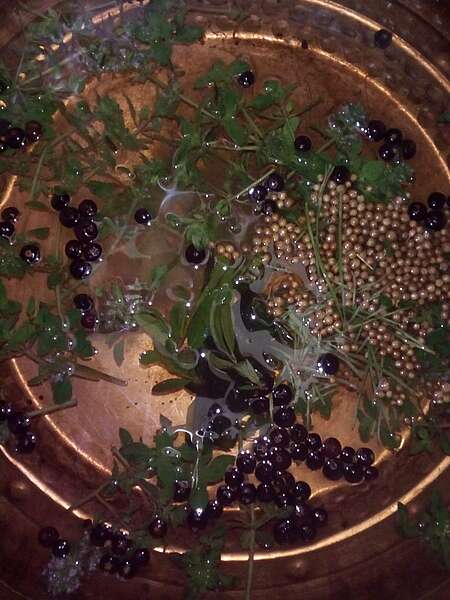
This step gives gins their unmistakable character. The selected botanicals - first and foremost juniper berries - are soaked in neutral alcohol. The raw material that takes the longest to release its flavours is soaked first.
This process is called maceration. The term is derived from the Latin verb "macerare", which means "to dissolve" or "to soften". According to the definition, maceration is the softening of plant tissue after prolonged contact with liquids. This dissolves the essential oils and flavourings of the plants. Depending on the distillery, citrus peel, coriander seeds, herbs or exotic spices can be used in addition to juniper. The duration of maceration varies from a few hours to several days and significantly influences the subsequent flavour profile of the gin.
Distillation
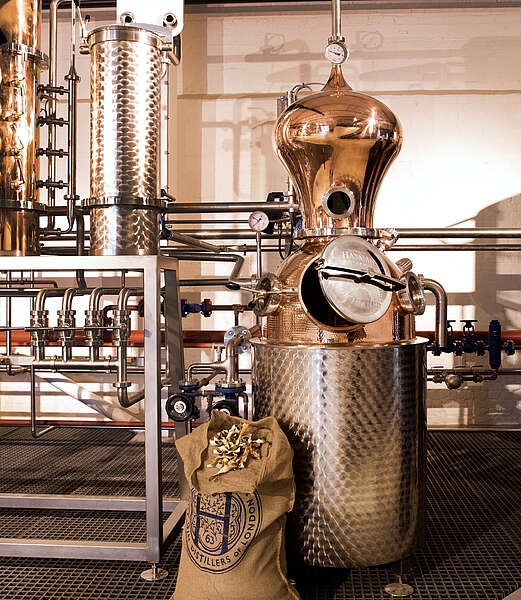
For many gins, the "flavour bath" of the botanicals is followed by distillation. The mixture of neutral alcohol and spices is heated in a still, which is usually fuelled by gas or electricity. The alcohol vapour rises, takes the dissolved flavours with it and enters a cooled spiral. There it condenses back into liquid - the result is a high-proof gin with around 96% alcohol by volume.
However, not all gin is actually distilled:
- Compound gin is created when producers merely macerate neutral alcohol with botanicals and forgo re-distillation. This process is simpler, but results in less subtle flavours.
- Distilled gin is distilled again in the still after maceration. This produces particularly clear and harmonious flavour profiles.
- Percolation offers another variant: botanicals are not directly in the alcohol, but in a flavour basket (ghost basket) inside the still. The rising alcohol vapours draw out the essential oils and aromas as they flow through, which is a gentle method that enables very differentiated notes.
A gin distiller therefore has various options: Either re-distillation after maceration or direct flavour extraction through percolation. Both methods have a significant influence on the character of the gin and differ significantly in terms of complexity and result.
Storage
Gin does not necessarily have to be stored after distillation. However, most distilleries allow their gin to rest for a while before bottling it. This allows the different flavours to blend harmoniously. For this purpose, the distillate is usually filled into steel tanks, glass balloons or earthenware containers for a period of between two and six weeks, which do not release any flavours into the gin. Other gins are bottled without long maturation.
In addition, some distilleries are experimenting with barrel ageing to develop additional flavours. Wooden barrels, such as former whisky or wine barrels, give the gin additional flavours. This variant is often referred to as reserve gin or cask aged ginand offers an exciting alternative for connoisseurs who want to discover new flavours.
Good to know!
The cask ageing of gin has a long tradition! In the past, it was transported in oak barrels as glass was too expensive and fragile. Today, distilleries are reviving the idea with cask-aged gins and offering exciting variations for connoisseurs.
Filling
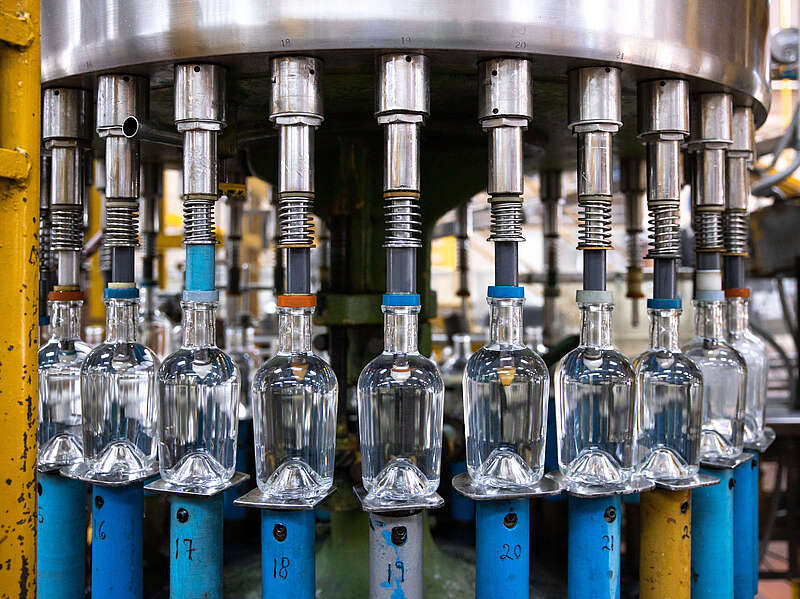
Before bottling, the gin is reduced to the desired strength with water that is as lime-free as possible. This ranges from a light 37.5 % vol. to strong navy strength or overproof gins with around 57 % vol. The very different alcohol content significantly characterises the flavour of a gin.
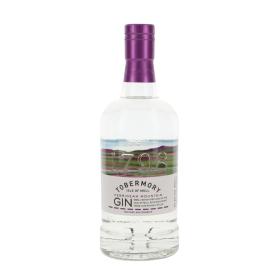
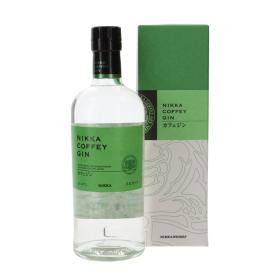
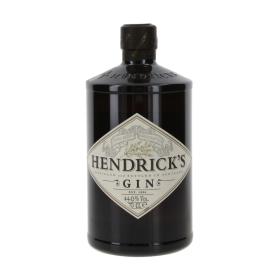
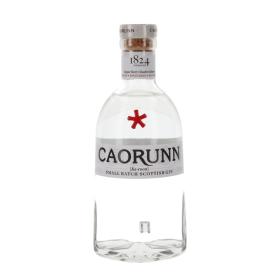
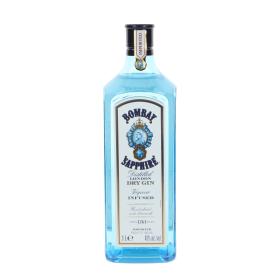
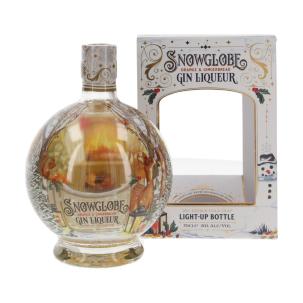
Depending on the brand, gins are bottled in plain or artistically designed bottles. In addition to the visual appearance, authenticity also plays a role here. Many distilleries deliberately use regional symbolism or handcrafted details to emphasise the individuality of their gin.







Conclusion
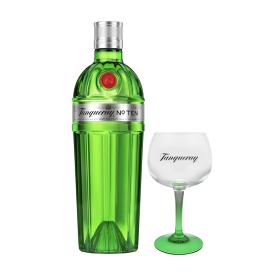
The production of gin combines craftsmanship with creativity. From the selection of the base alcohol to maceration, distillation and bottling, every step determines the flavour of the gin. While classic London Dry Gin stands for clear juniper notes, modern interpretations with exotic botanicals open up a wide variety of flavours.
Whether enjoyed neat, on ice or in a cocktail - gin impresses with its versatility. Discover the large selection of gins in our shop and find your favourite!







To comment, you must be logged in