

Discover the world of botanicals!
Juniper, coriander, citrus fruits, cinnamon, nutmeg or violet root - gin thrives on its variety of botanicals. These plant-based ingredients, which include spices, herbs, fruits and roots, give each gin its unique character. The tasting reveals how harmoniously the individual flavours blend together: from spicy-tart to fruity-fresh to floral or earthy.
On this page, you will find out which botanicals are used in gin production, where they grow and what influence they have on the flavour. Learn how a multifaceted distillate is created from carefully selected plants and discover the diverse flavours of gin.

What are botanicals?
Botanicals are plant-based ingredients - including spices, herbs, fruits, flowers and roots - that give a gin its characteristic flavour. They are at the heart of every distillation and are decisive for the unmistakable flavour. The law stipulates that juniper must dominate the flavour - only then can a distillate be called gin.
Apart from this requirement, there are virtually no limits to the creativity of distillers. The variety of botanicals in the different gins varies considerably - the spirits journalist Karl Rudolf has already documented 182 different ingredients in 134 gins. Exactly which botanicals are used remains the well-kept secret of every producer.
Botanicals not only shape the variety of flavours, but also the taste profile of a gin - from sweet and fruity to spicy and aromatic to floral or earthy. This variety is what makes gin so exciting for connoisseurs
Categories of botanicals
Botanicals can be divided into different groups depending on their origin and the flavours they bring to the gin. From strong spices, fresh herbs and citrus notes to floral and earthy nuances, each category contributes to the individual character of a gin in its own way. The art of the distiller lies in harmoniously combining this diversity to create a balanced flavour profile.
How botanicals shape the flavour profile
The variety of gin botanicals significantly determines the flavour profile of each spirit. While juniper is legally required to be the main flavour, the other ingredients determine the nuances, depth and character of the gin. Each botanical contributes specific flavours and aromas.
The selection, combination and dosage of botanicals is decisive for the style of the gin. Classic London Dry Gins rely on a balanced ratio of juniper, coriander and citrus flavours, while modern New Western Gins emphasise experimental notes such as berries, flowers or unusual herbs.
The targeted combination creates a harmonious flavour profile that displays a characteristic, recognisable personality both neat and in cocktails. The following categories - spices, herbs, citrus fruits, fruits & berries, flowers, nuts & beans and vegetables - illustrate the variety of botanicals and their influence on the flavour.
Spices

What refines food in the kitchen can also refine a spirit - and this is exactly the case with gin.
Among the numerous botanicals,juniper plays a central role. The EU Spirits Regulation stipulates that the juniper flavour in gin must always be clearly perceptible. The distillate can only be called gin if this characteristic, sweet, resinous and slightly peppery flavour is in the foreground.
Coriander seed is used particularly frequently - it is one of the most important botanicals in around 60% of all gins. Its essential oil gives the gin a finely balanced blend of sweet, citrusy notes, mild bitterness and spice. In contrast to the polarising leaves, the small, round seeds taste pleasantly fresh and harmonise perfectly with citrus fruits.
Cardamom provides fresh, slightly mentholated and fruity nuances, while pepper in its black, white or pink varieties adds pungency and depth. Cinnamon and allspice, which are reminiscent of warm spicy notes and wintery flavours, also find their way into many gins and elegantly round off the taste experience.
You can find more spice botanicals with their typical flavour profiles, origin and suitable product examples in the following overview.
| Name | Region | Type | Flavour | Bottle |
|---|---|---|---|---|
| AllSpice | Central America, Caribbean | Berries | Slightly bitter, earthy, and fruity, a combination of cloves, cinnamon, and nutmeg |  |
| Angostura bark | South America | Leaf | Bitter and spicy | |
| Birds Eye chili fruit | Africa | Fruit | Fruity, sweet and peppery flavour | |
| Black cardamom | Himalayas | Seed | Distinct smoky aroma and flavour | |
| Black pepper | Southeast Asia | Seed | Peppery and spicy with a woody note | |
| Caraway | Northern and Central Europe, Asia | Seed | Slightly spicy, spicy to sweet with a slightly bitter note | |
| Cardamom | South India, Sri Lanka | Seed | Piney, fruity, and almost menthol-like flavour | |
| Cinnamon | South America, South Asia | Bark | Warm, sweet, slight citrusy note, and its spicy taste | |
| Cinnamon cassia | China | Bark | Sweet, aromatic, and pungent | |
| Cloves | Indonesia, East Africa | Bud | Intense, slightly pungent and spicy flavour with sweet aroma | |
| Coriander | Mediterranean | Seed | Spicy-tart with sweet aftertaste | |
| Cubeb pepper | East and Southeast Asia | Seed | Mild peppery flavour with a slightly bitter aftertaste | |
| Cumin | Asia, Southern Mediterranean | Seed | Sweet-bitter warming taste with a nutty note | |
| Ginger | Asia, South and Central America | Root | Fruity and spicy with a sweet note | |
| Grains of paradise | West Africa | Seed | Peppery-fruity and spicy aroma | |
| Juniper | Northern Hemisphere | Berries | Slightly piney flavour with a touch of both fruitiness and pepperiness. | |
| Japanese peppercorn | Japan | Seed | Citrus and grassy notes | |
| Liquorice | Mediterranean | Leaf | Sweet and woody, with sour and bitter notes, liquorice flavour | |
| Long pepper | India | Seed | Sharp, warm, and at the same sweet flavour of licorice and dark chocolate | |
| Nepalese pepper | Nepal | Seed | Citrus note, mild spicy with a slightly bitter note | |
| Phu Quoc peppercorns | Vietnam | Seed | Citrusy heat with a fruity note | |
| Poblano peppers | Mexico | Fruit | Mild spicy chilli flavour | |
| Rosemary | Mediterranean | Grass | Spicy-tart, resinous, peppery, lemony | |
| Saigon cinnamon | Vietnam | Bark | Cassia-like flavour, aromatic-sweet with a hint of bitterness | |
| Sancho pepper | Japan | Seed | Strong citrus flavour with a slight peppery spiciness | |
| Sencha | Japan | leaf | Tart, grassy aroma | |
| Sichuan pepper | China | Seed | Sparkling spiciness with a fine citrus aroma | |
| Smoke-dried jalapeños | Central, South America | Plant | Smoky and spicy | |
| Star anise | Vietnam, China | Fruit | More intense than anise, liquorice aroma | |
| Syrian oregano | Syria | Leaf | Strong tart-spicy aroma | |
| Tasmanian mountain pepper | Australia | Berries | Fruity-sweet with pleasant spiciness | |
| Thyme | Worldwide | Plant | Earthy yet fresh flavour with a slightly bitter note | |
| Timut | Nepal | Seed | Bright citrusy flavour that is reminiscent of grapefruit | |
| White pepper | India, Vietnam, Indonesia | Seed | Dominant spiciness, grassy citrus aroma | |
Herbs

What is the difference between herbs and spices? Quite simply, herbs are preferably used fresh, while spices are usually used dried. In common parlance, however, the terms are often used interchangeably - coriander, for example, is referred to as both a herb and a spice, although botanically it is categorised as a spice.
Typical herbs used in gin distillation are aniseed, fennel and angelica root. All three are also known as medicinal plants and give gin its unmistakable, aromatic and herbal character. As these ingredients have an intense effect, they are generally only added sparingly.
In addition, some gins also contain common kitchen herbs, as anything that adds flavour in the kitchen can also enrich the taste of a gin. Chervil, cress, parsley, sage or chives are just a few examples of botanicals that bring fresh, green and sometimes slightly bitter notes to the distillate.
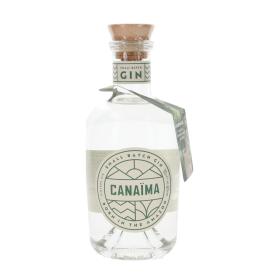
Many distilleries also focus on the regional identity of their botanicals. The "Gin Sieben" from Frankfurt, for example, contains the seven herbs of the famous Frankfurt Green Sauce - borage, chervil, cress, parsley, burnet, sorrel and chives. The Duke Munich Dry Gin refers to the Bavarian brewing tradition with hops and malt. The "Elephant London Dry Gin" picks up on flavours from the African continent and the "Canaïma Gin" is distilled with herbs and fruits from the Amazon rainforest. Finally, "Noble White" flavours the herbal world of the Alpine region. The Bivrost Arctic Gin celebrates the Nordic nature of the Lyngen Alps in Norway - it is diluted with pure glacier water from this region and thus reflects the clear, cool characteristics of the far north.
| Name | Region | Type | Flavour | Bottle |
|---|---|---|---|---|
| Angelica root | Northern Hemisphere | Root | Earthy with a slight spiciness, a warm flavour | |
| Anis | Eastern Mediterranean | Seeds | Licorice | |
| Avocado leaf | Central and South America | Leaf | Nutty hazelnut aroma and a mellow anise-licorice flavour | |
| Bamboo | East Asia, South and Central America, Africa, Australia | Grass | Earthy taste with hints of nuttiness | |
| Basil | Africa to South East Asia | Leaf | Sweet, pungent, and slightly spicy | |
| Bay leaf | Mediterranean | Leaf | bitter and pungent, notes similar to thyme or oregano | |
| Bladder wrack | North Sea, Baltic Sea, Atlantic/Pacific Ocean | Grass | Briny taste, strong ocean umami flavour | |
| Bog myrtle | Northern Hemisphere | Grass | Eucalyptic kind of aroma | |
| Congona | South America, Canary Islands | Grass | Cinnamon flavour | |
| Dill | Eurasia | Grass | Fresh, citrus-like taste, with a slightly grassy undertone | |
| Eucalyptus | Australia | Leaf | Mix of menthol, citrus, and pine | |
| Fennel | Worldwide | Grass | Mild anise, licorice flavour | |
| Fir shoots | North America, UK | Shoot | Lemon peel or tangerine peel | |
| Green Tea leaf | China | Leaf | Grassy, vegetal, nutty, herbaceous | |
| Ground ivy | Worldwide | Leaf | Basil and sage with minty undertones | |
| Gunpowder tea | China | Leaf | Smooth, hearty flavour and nutty, vegetal, slightly smoky notes | |
| Gyokuro tea | Japan | Leaf | Seaweed and grasses, followed by an intense sweetness | |
| Hinoki | Japan | Plant | Woody-tart, slightly smoky, with refreshing notes | |
| Hops | West Asia, Europe and North America | Hops | Citrusy, pine-like, herbal, and earthy aromatics | |
| Iris root | Asia | Root | Floral, distinct bitter taste | |
| Japanese red pine | Japan, Korea, China | Tree | Mildly sweet, with a slightly resinous or pine-like flavour | |
| Leaf of the cashew tree | Worldwide | Leaf | Tangy, astringent | |
| Lemon thyme | Mediterranean | Grass | Sweet citrus aroma, minty, earthy and floral notes | |
| Lemongrass | Asia, Africa, Australia | Grass | Mild citrus with a hint of ginger | |
| Lotus leaf | Worldwide | Leaf | Sweet in taste with a hint of bitterness | |
| Matcha tea | Japan | Leaf | Mellow, earthy taste | |
| Mint | Eurasia | Leaf | Subtly sweet taste and cool sensation | |
| Mulberry leaf | North America | Leaf | Fruity and sweet, and the dried leaf will impart a slightly earthy and bitter taste | |
| Muscovado | Southern Hemisphere | Leaf | Sweet and malty with a hint of caramel | |
| Oolong tea | China | Leaf | Sweet, fruity taste with a hint of nuttiness | |
| Perilla | Southeast Asia | Lleaf | Grassy with notes of anise or licorice | |
| Peruvian coca leaf | Peru | Leaf | Green tea, slightly bitter with some sweetness | |
| Pine buds | Northern Hemisphere | Bud | Spiky flavour: herbal, sweet, a little perfumey | |
| Pine needle | Northern Hemisphere | Needle | Piney, resinous, astringent, and citrusy, with undertones of mint | |
| Red algae | Worldwide, coral reefs | Grass | Subtle taste of the sea with slightly earthy notes | |
| Rose root | Asia and Europe (Arctic regions) | Root | Slightly bitter | |
| Sage | Mediterranean | Leaf | Earthy, slightly peppery taste with hints of mint, eucalyptus, and lemon | |
| Savory | Mediterranean | Grass | Spicy-aromatic, peppery, thyme-like flavour | |
| Sea fennel | Black Sea, European Atlantic coasts | Grass | Tart, fresh, to lemony | |
| Seaweed | Worldwide | Grass | Briny and salty, sweet when dried | |
| Spoonwort | Europe | Grass | Slightly spicy and maritime notes | |
| Spruce shoots | Central and Eastern Europe | Seed | Bright, citrus flavour | |
| Verbena | Europe | Grass | Lemony scent,slight minty or even tangerine taste | |
| Violet roots | Northern Hemisphere | Root | Sweet and floral | |
| Woodruff | Eurasia | Grass | Sweet, hay-like, earthy aroma | |
| Wormwood | Eurasia | Grass | Bitter | |
| Yarrow | Eurasia | Grass | Sweet flavour with a bitter finish, often compared to anise and tarragon | |
Citrus fruits

Citrus fruits are among the most important botanicals in gin production and can be found in almost all varieties - often even in several variants at the same time. In addition to oranges and lemons, grapefruits, limes and grapefruits are also used. They shape the character of many gins with their fresh, sour, fruity and slightly tart flavours. Both the fruit peel and the pulp are used. The peel in particular is rich in essential oils, which are released during the distillation process and provide the clear, tangy flavour that makes gin so unmistakable. Depending on the variety and combination, citrus fruits can lend the gin a slight sweetness, subtle bitterness or intense freshness.
In modern New Western Dry Gins, where the classic juniper flavour takes a back seat in favour of other aromas, strong citrus notes are often used. They give the gin a particularly fresh, lively profile and make it a popular base for summer drinks and cocktails.
In the following overview, you will find typical citrus botanicals, their flavour characteristics and examples from well-known gins.
| Name | Region | Type | Flavour | Bottle |
|---|---|---|---|---|
| Amanatsu | Japan | Fruit | Sweet and sour flavour | |
| Bergamot | Italy | Fruit | Aromatic-tart and very sour, combination of lemon and bitter orange. | |
| Blood oranges | Mediterranean | Fruit | Sweet and sour taste, slightly more bitter than conventional oranges | |
| Buddah's Hand | South East Asia, South and Central Italy | Fruit | Bittersweet, similar to an ordinary lemon, only sweeter | |
| Chinese lime | China | Fruit | Mixture of salty and sour | |
| Clementine | Southern Europe, Northwest Africa, Florida | Fruit | Fruity-sweet with mild aroma | |
| Daidai | Japan | Fruit | Extremely bitter | |
| Finger limes | Australia | Fruit | Citrusy, acidic, and slightly bitter with some herbaceous notes | |
| Grapefruit | Caribbean Islands, South of the USA | Fruit | Bitter and sweet | |
| Hetsuka Bitter Oranges | Japan | Fruit | Sweet and sour, juicy, similar to lime | |
| Kabosu | Japan | Fruit | Sour, tangy | |
| Kaffir lime | Southeast Asia | Fruit | Fine sour lime aroma | |
| Kumquat | Worldwide | Fruit | Aromatically sweet with a slightly sour orange flavour | |
| Lemon | Mediterranean | Fruit | Sour with a slightly sweet note | |
| Lemon myrtle | Australia | Fruit | Seet, spicy flavour with intense and refreshing citrus notes | |
| Lemon verbena | South America | Herbs | Intense lemon aroma | |
| Limes | India, Malaysia, USA | Fruit | Acidic-tart, with a slight hint of sweetness | |
| Orange | Mediterranean, India, China, Brazil | Fruit | Sweet-tart | |
| Orange peel | Mediterranean, India, China, Brazil | Fruit | Less sweet than the rest of the orange, with characteristic bitterness | |
| Pink grapefruit | Caribbean Islands, South of the USA | Fruit | Tart-fruity, sweet-sour and slightly bitter | |
| Seville orange | Spain | Fruit | Bitter-sweet | |
| Sicilian lemon peel | Italy | Fruit | Tart-bitter, with little acidity | |
| Yuzu | Japan, China, Korea | Fruit | Pleasant acidity with tart notes and slightly sweet, like a mixture of lemon, grapefruit and orange. | |
Fruits & Berries

Even though juniper is a berry, it is categorised as a spice in gin production!
Nevertheless, fruits and berries play an important role as botanicals in the flavouring of many gins. They lend the spirit colour, natural sweetness and often also a fruity, fresh depth that harmoniously rounds off the character of the gin.
The most popular fruit and berry botanicals include blackberries, raspberries, blueberries and more exotic flavourings such as marula fruit. They not only bring different shades of colour to the distillate, but also a variety of flavours - from sweet and juicy to tart and slightly acidic.
Fruits and berries are often used specifically to give a gin a regional flavour or a more modern taste. While classic London dry gins usually rely on citrus flavours, newer creations increasingly feature red and dark berries, which provide a fruity, soft flavour profile.
In the following overview, you can find out more about typical fruit and berry botanicals, their flavour characteristics and examples from well-known gins.
| Name | Region | Type | Flavour | Bottle |
|---|---|---|---|---|
| Acai | Amazons | Berries | Earthy, bitter taste that contains hints of dark chocolate and blackberry | |
| Amaou Strawberry | Japan | Berries | Very sweet | |
| Apples | Worldwide | Fruit | Sweet, tart, hints of cinnamon spice, honey-like flavour | |
| Apricot | Turkey | Fruit | Peach and plum | |
| Aronia Berries | North America | Berries | Sharp, sour taste | |
| Baobab | Africa | Fruit | Sweet, citrusy taste | |
| Blackberry | Worldwide | Berries | Succulent, juicy berries with a tart flavour | |
| Blackcurrant | Eurasia | Berries | Grape-like flavour and acidic to taste with hints of cherry | |
| Blueberry | North America | Berries | Sweet taste with a bit of acid | |
| Buckthorn Berries | Worldwide | Berries | Tart and citrusy, with subtle sweetness | |
| Charentais Melon | France | Fruit | Sweet taste reminiscent of papaya and pineapple | |
| Chinese Dragon Eye Fruit | China | Berries | Musky, sweet | |
| Cranberry | North America | Berries | Bitter, sharp taste, | |
| Damson | Worldwide | Fruit | Tart, sour, and subtly sweet | |
| Dragon Fruit | Worldwide | Fruit | Blend of pear and kiwi | |
| Elderberry | Worldwide | Berries | Bitter and earthy | |
| Fig | Turkey | Fruit | Sweet, honey taste | |
| Fruit Of The Moriche Palm | South America | Fruit | Bitter-sweet taste | |
| Goji Berries | Asia | Berries | Sweet and sour flavour | |
| Gooseberries | Eurasia | Berries | Similar to grapes but more acidic | |
| Guava | Central And South America | Berries | Sweet, exotic taste, slightly tart | |
| Lingonberries | Eurasia, North America | Berries | Taste sour with a bit of sweetness | |
| Lychee | China | Berries | Sweet and fruity taste with hints of floral notes | |
| Mango | Southern Hemisphere | Fruit | Sweet tasting fruit and juicy like orange. | |
| Marula Fruit | Africa | Fruit | Tart, with a pleasant sweet and sour taste | |
| Mulberries | North America | Berries | Sweet and tart flavours, with a hint of baking spices or woody cedar | |
| Papaya | Central, South America | Fruit | Juicy with a sweet flavour | |
| Passion Fruit | Central, South America | Fruit | A unique blend of sour and sweet with a very floral finish and citrussy notes | |
| Peach | Worldwide | Fruit | Sweet with little acidity | |
| Peruvian Physalis | South America | Berries | Slightly tart, grape-like flavour | |
| Pineapple | South America, Caribbean | Fruit | Fusion of sweet and acidic notes | |
| Pineapple Berry | The Netherlands | Berries | Pleasantly sweet, tart and juicy and to some,the tropical version of a strawberry | |
| Plum | China | Fruit | Sweet fruit, and it slightly has a close taste to apricot | |
| Prickly Pear | Mexico, Southern Us | Fruit | Often compared to that of a melon or a kiwi, with a hint of bubblegum | |
| Quince | Turkey, Greece | Fruit | Inedible when raw, tastes reminiscent of apples and pears when cooked | |
| Red Banana | East Africa, Asia, South America | Fruit | Like a regular banana with a hint of raspberry sweetness | |
| Rose Hips | Europa, Asia | Fruit | Floral, slightly sweet flavour with a touch of tartness | |
| Rowan Berries | Northern Hemisphere | Berries | Sour with a slight bitterness | |
| Sloe | Worldwide | Berries | Extremely tart | |
| Strawberries | Worldwide | Berries | Ranging from pineapple to tree fruit such as apple and pear | |
| Tamarillo | South America, New Zealand | Fruit | Tangy and variably sweet, with a bold and complex flavour | |
| Ume Plum | Japan | Fruit | Sour-tart aroma, not suitable for consumption raw | |
| White Peach | Worldwide | Fruit | Delicate, floral sweetness | |
| White Wine Grape | Worldwide | Fruit | Sweet to slightly sour taste | |
| Williams Pear | Europe, America | Fruit | Fruity like pear, apple, peach, apricot, melon, and tropical fruit | |
| Yamazakura Cherry | Japan | Berries | Sweet and sour, with slightly woody flavours and almond aromas | |
| Peruvian physalis | South America | Berries | Slightly tart, grape-like flavour | |
Blossoms

Flowers play a fascinating role in the world of gin. They lend the distillate fine, aromatic and often slightly sweet notes that provide elegance and balance in the flavour profile. Floral botanicals add a delicate fragrance component and create a harmonious combination of earthy, spicy and fruity elements.
Hibiscus and Japanese cherry blossom (sakura) are particularly popular, enriching gins not only in terms of flavour but often also visually with a slightly reddish or rose-coloured shimmer. They are often complemented by lavender, rose petals or camomile - flowers that lend the gin a refined fragrance and a gentle, floral depth.
Depending on the composition, a versatile spectrum of flavours is created: from lightly perfumed and elegant to fresh and floral-tart. Floral botanicals are mainly used in modern gins, such as New Western Style Gins, which experiment with soft, complex fragrances and interpret the traditional juniper flavour in a new way.
Good to know:
In gin production, we deliberately refer to flowers - the aromatic parts of plants that contain essential oils - and not whole flowers in the decorative sense!
In the following overview, you will find typical flower botanicals, their characteristic flavours and examples of well-known gins in which they play a central role.
| Name | Region | Type | Flavour | Bottle |
|---|---|---|---|---|
| Black orchid | Asia, South America | Flower | Tasty, sweet, cake-like | |
| Bulgarian rose petals | Bulgaria | Petals | Floral notes, sweet undertones, and mild touches of Spice | |
| Cactus blossom | North and South America | Flower | Quite tasty, sweet | |
| Cempasúchil flowers | Mexico | Flower | Subtly bitter taste | |
| Chamomile | Worldwide | Flower | Mild, slightly bitter-sweet taste with earthy flavour | |
| Cornflower | Worldwide | Flower | Spicy-sweet, slightly salty | |
| Elderflowers | Worldwide | Flower | Fresh, flowery-fruity, intensely sweet-smelling | |
| Fuchsia | Central, South America | Flower | Sweet and floral | |
| Hawthorns | Northern Hemisphere | Flower | Tart, tangy, and slightly sweet | |
| Heather | South Africa, Europe | Flower | Spice and apple tones, herbal, woody, floral, peaty fruit | |
| Hibiscus | Asia, Tropical regions | Flower | Slightly sour taste with floral or fruity undertones | |
| Jasmine | Asia, Europe | Flower | Sweet, floral and slightly bitter | |
| Lavender | Mediterranean | Flower | Sweet and floral with a slightly bitter aftertaste | |
| Lily | Northern Hemisphere | Flower | Sweet-tart, with a slightly bitter aftertaste | |
| Lime blossom | Europe | Flower | Aromatic, slightly sweet and mild, light honey note | |
| Orange blossom | Asia | Flower | Floral-fruity aroma, reminiscent of honey | |
| Red clover | Europe, Asia | Flower | Gentle and sweet taste with a slight bean aroma | |
| Rose petals | Northern Hemisphere | Petals | Mild aroma with light sweetness and floral notes | |
| Sakura | Japan | Flower | Mild floral flavour, with a very subtle hint of bitterness | |
| Violet | Worldwide | Flower | Sweet and floral | |
Nuts & beans

Nuts and beans give the gin additional flavour dimensions and enrich the aroma profile with warm, earthy and often slightly sweet notes. Almonds and hazelnuts are particularly popular in the distillation process. They give the gin subtle nutty undertones and subtle roasted flavours that give the distillate depth and structure.
Nutmeg, although botanically not a true nut, is also often included in this category. Its strong, spicy, slightly sweet aroma gives many gins a special warmth and harmoniously rounds off the flavour profile.
These additions give the gin a full-bodied texture and a complex interplay of flavours, which is effective both on its own and in mixed drinks.
In the following overview, you will find typical nut and bean botanicals, their characteristic flavours and examples from well-known gins.
| Name | Region | Type | Flavour | Bottle |
|---|---|---|---|---|
| Acacia seeds | Australia | Seed | Coffee, chocolate and hazelnuts | |
| Almonds | Mediterranean | Nut | Sweet with a slightly nutty taste (only the poisonous bitter almonds are bitter!) | |
| Cashew | Worldwide | Nut | Rich nutty flavour, similar to almonds or peanuts | |
| Cocoa beans | Africa | Bean | Acidic and fruity, slight floral taste | |
| Fennel seeds | Mediterranean | Seed | Sweet, licorice-like flavour | |
| Guarana seeds | Brazil, Venezuela, Paraguay | Seed | Bitter, earthy, and slightly astringent | |
| Nutmeg | South Asia | Nut | Spicy, earthy and slightly sweet, but not sugary | |
| Poppy seeds | Worldwide | Seed | Subtle nutty flavour and light sweetness | |
| Seje | Amazons | Leaf | Oily mesocarp has a chocolate-like flavour | |
| Tonka beans | South America | Bean | Rich, slightly nutty vanilla flavour, with hints of sweet spice | |
Vegetables

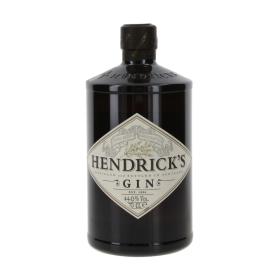
Vegetables are rarely used in gin production, but can bring special fresh, green and slightly spicy notes to the distillate. A particularly well-known example is Hendrick's Gin, which integrates its characteristic cucumber note directly into the recipe, creating an unmistakable, mild and fresh flavour.
Some distilleries are also experimenting with other vegetables such as tomatoes, peppers or beetroot to create new flavour experiences. Vegetables can not only add natural freshness to gin, but can also subtly influence the colour profile - for example through beetroot juice or other plant extracts.
Even if vegetables play a minor role compared to herbs, fruits or spices, these examples show that even unusual botanicals can enrich the flavour profile of a gin in a creative way.
In the following overview, you will find typical vegetable botanicals, their flavour profiles and examples from well-known gins.
| Name | Region | Type | Flavour | Bottle |
|---|---|---|---|---|
| Black tomatoes | Northern Hemisphere | Fruit | Smoky and sweet, with a touch of acid | |
| Brussels sprout | Europe, USA | Buds | Spicy-earthy and bitter flavour | |
| Cucumber | Worldwide | Fruit | Mild, refreshing, lightly sweet flavour | |
| Rhubarb | Asia, Europe | Leaf stem | Tart and sour to mildly fruity | |
Conclusion
Whether roots, fruits or herbs - the botanicals give every gin its unmistakable flavour and make it a complex, aromatic experience. Many of the ingredients used are also known for their medicinal properties and are still used today in herbal medicine or pharmaceuticals.
Of course, this does not mean that gin is healthy. However, it is worth consciously reflecting on the origins of the botanicals in order to really understand and enjoy the subtle nuances in the glass.
Discover our selection of gins and experience the variety of botanicals for yourself - whether pure or in creative cocktails.


















To comment, you must be logged in