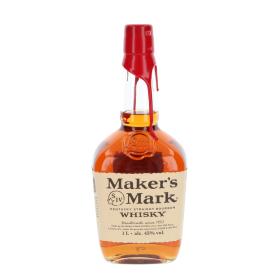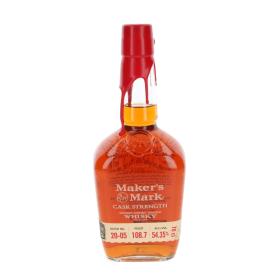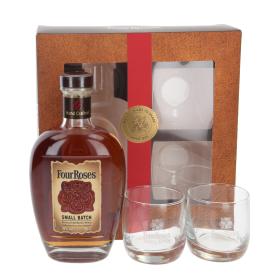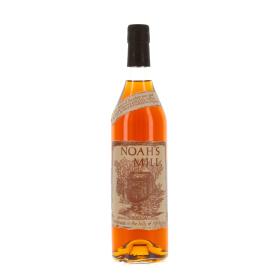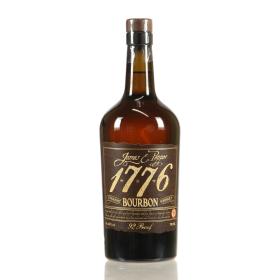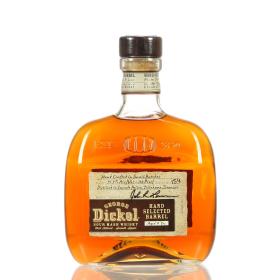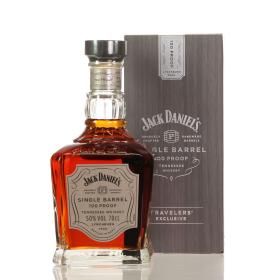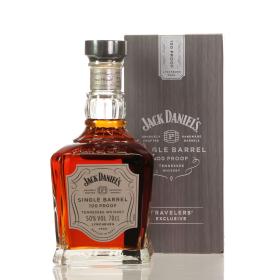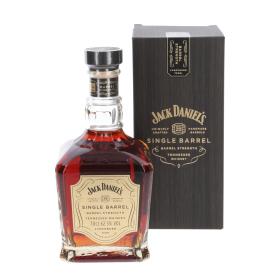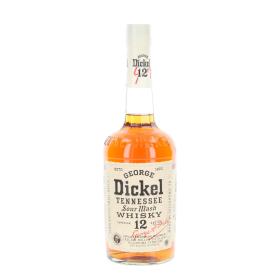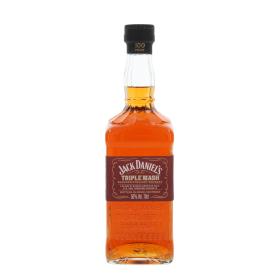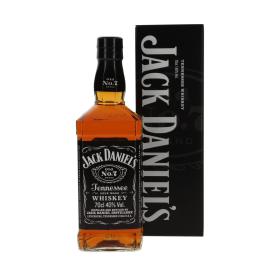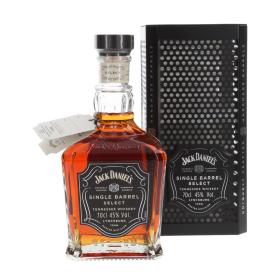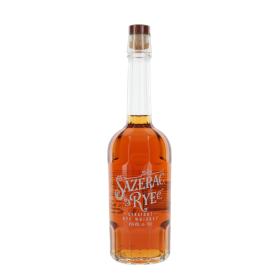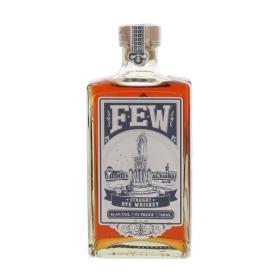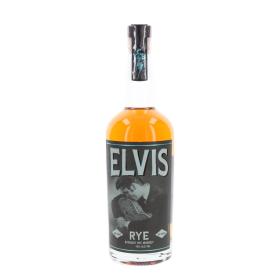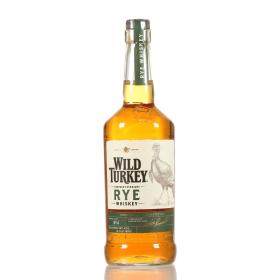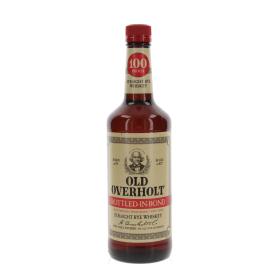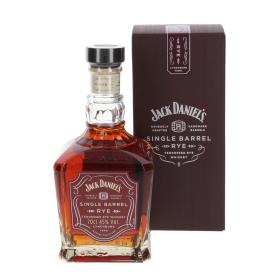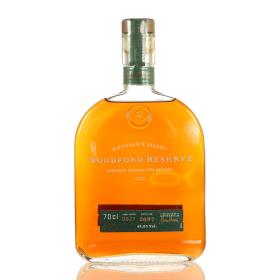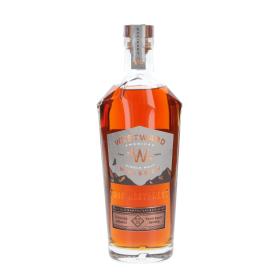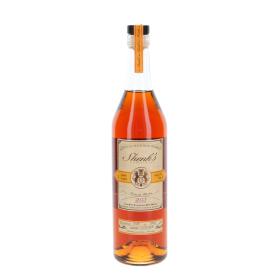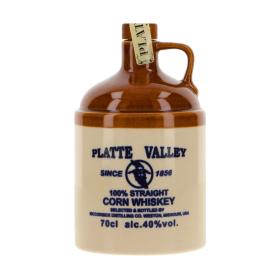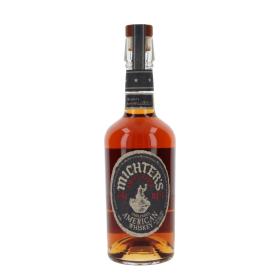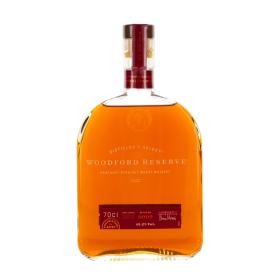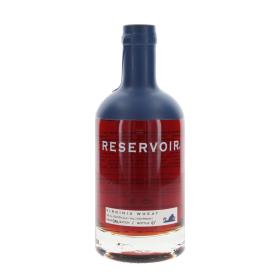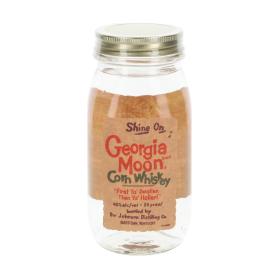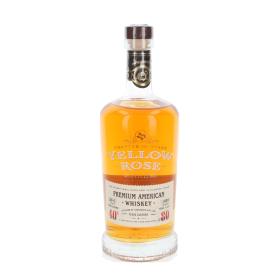
The whiskeys we present to you here are something special and should be enjoyed neat or at most with a splash of still water.
Bourbon, which is mainly produced in Kentucky, is famous worldwide for its unmistakable flavour, characterised by sweet vanilla and caramel notes, which are created by ageing in new, charred American white oak barrels.
There are two important whiskey regions on the North American continent: The St Lawrence River area in Canada and the US states of Kentucky and Tennessee. In addition to bourbon, there are many other types of whiskey that are produced according to strict legal requirements.
In this article, you can find out what characterises the different types of whiskey.
Bourbon
Probably the best-known American whiskey variety is bourbon, which is named after Bourbon County in Kentucky. This county was named in honour of the French royal family, as Louis XVI helped the Americans during the wars of independence against England. By law, bourbon whiskey must be made from at least 51% corn, which gives it its typical sweet flavour. The remaining grains used are rye, which is very flavourful, mild wheat and barley, which is essential for the fermentation process. American whiskey is mainly distilled in column stills. According to American law, bourbon must be matured in fresh, burnt oak barrels.
The alcohol content of bourbon must not exceed 80% during distillation and must not exceed 62.5% at the start of maturation. Bourbon is bottled at a minimum of 40%, as spirits with a lower alcohol content may not be labelled as whisky or whiskey. Theoretically, bourbon can come from anywhere in the USA, but most bourbon distilleries are located in the US state of Kentucky.
The production of bourbon is regulated by the Bourbon Act of 1964. Even stricter rules apply to straight bourbon and Kentucky straight bourbon from distilleries in the state of Kentucky.
Ingredients in a bourbon
The ingredients for bourbon consist of a so-called grain mixture - the mash bill - which must contain at least 51% corn. The remaining proportion is made up of rye, wheat and malted barley. As a rule, however, the proportion of corn is significantly higher and is usually between 60% and 80% by volume.
Different types of bourbon
Straight Bourbon
The term ‘straight bourbon’ is defined by law and is considered a special quality feature. A bourbon may be called ‘straight’ if it has been aged for at least two years in new, charred oak barrels and contains no additives such as colourings or flavourings. If the whisky is aged for less than four years, the age must be stated on the label. However, many producers allow their straight bourbon to mature for much longer in order to develop more complex flavours. After barrel ageing, it must not be blended. A straight bourbon usually comes from a single distillery.
Straight bourbon is characterised by pronounced vanilla, caramel and oak notes, which are created by ageing in fresh wood. So if you want to experience the true pleasure of bourbon without additives, straight bourbon is the best choice.
Kentucky Straight Bourbon
As the name of the whiskey suggests, this straight bourbon comes from Kentucky and must be matured there for at least one year. Woodford Reserve is an excellent representative of this variety.
Bourbon Bottled in Bond
A bourbon may bear the quality designation Bottled in Bond if it is produced during a single production season in a single distillery, matures for at least four years under bond in a warehouse and is bottled with an alcohol content of at least 100 proof
equivalent to 50 %).
Cask Strength
Cask Strength Bourbon is a special variant of whiskey that is bottled in its purest form. The term "cask strength" means that the bourbon comes straight from the cask without being diluted with water beforehand to adjust the alcohol content. This makes it particularly powerful and intense, both in terms of flavour and alcohol content, which is often between 50% and 65% by volume. Higher-proof bourbons often offer a more intense and concentrated flavour experience. However, it is advisable to add a few drops of water to soften the alcohol and open up the flavours. And you, the connoisseur, decide how much water you want to add to create your very own bourbon!
Single Barrel - if you are looking for something special!
Bourbon Single Barrel is a special category of whiskey in which each bottle comes from a single barrel instead of a mixture of different barrels as is the case with most bourbons. This bottling method emphasises the individual characteristics of a single barrel and makes each batch unique. This is because each barrel matures differently, even if it is stored in the same warehouse under similar conditions. Factors such as the wood structure of the barrel, the position in the warehouse and the length of maturation influence the flavour. The distilleries carefully select the barrels, often by particularly experienced master distillers who assess the barrels according to their quality and flavour.
Differences to other whiskies
Bourbon is closely associated with the United States and is mainly produced in Kentucky, even though it can legally be produced anywhere in the USA. Bourbon is therefore distinguished from other whiskies by its American roots, its corn base, the use of new oak barrels and its sweet, smooth flavour. In addition, the legal requirements that regulate the production of bourbon are different from the requirements for the production of Scotch whisky, for example.
The flavour of bourbon
Bourbon is typically characterised by a pleasant sweetness, which comes from its high corn content. This basic note is complemented by a variety of other flavours that can vary depending on the recipe, age and barrel ageing.
The characteristic flavours of bourbon often include vanilla, caramel and toffee, which are created by ageing in charred oak barrels. During the charring process, the inner layers of the wooden barrel are burnt, releasing natural sugars from the wood, which pass into the whiskey during the maturation process.
Bourbon whiskeys can also have fruity notes. Depending on the mashbill - i.e. the ratio of corn, rye, wheat and barley - additional flavours come into play. A higher proportion of rye, for example, leads to spicier, peppery notes, while a higher proportion of wheat produces a softer, milder flavour.
The alcohol content also influences the flavour. A low alcohol content makes bourbon milder, a high alcohol content makes bourbon more intense. The same applies to the ageing period: younger bourbons are often livelier and sweeter, while older bourbons develop more complex and intense flavours due to the longer interaction with the wood.
How to enjoy bourbon
The important thing is that enjoyment takes centre stage! And so there is no "right" or "wrong" when it comes to enjoying bourbon. Try out different methods until you find the one that suits you best. Whether neat, with water, on ice or mixed.
For mixing, we present classics such as Old Fashioned and Whiskey Sour.
Tennessee Whiskey
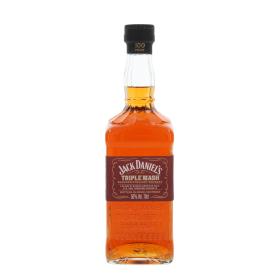
Tennessee whiskey is initially subject to the same requirements as bourbon whiskey. It is produced in a similar way to bourbon. Rye, corn and grain are distilled and matured in charred barrels made from new white oak. The grain content (mash bill) of Tennessee whiskey must contain at least 51% corn, which is also the case with bourbon. The key difference is as follows: before bottling, the spirit is filtered through maple charcoal (charcoal mellowing), which makes it soft and smooth, as the charcoal removes pungent substances from the liquid. Mellow means 'soft' and is also referred to as charcoal mellowing.
The rules of the Bourbon Act of 1964 also apply to Tennessee whiskey. Since 2013, there have been additional legal regulations that, in addition to production in the US state of Tennessee, also stipulate the so-called Lincoln County Process, which provides for the aforementioned filtration of the raw spirit through a layer of charcoal several metres high. The charcoal must be produced from sugar maple, which is widely used in the USA.
In addition, there is the sour mash process. Here, residues from the distilling process (stilling) are collected and added to the mash again before fermentation. This benefits the taste of the whiskey, but also the production process: Adding the stillage changes the pH of the mash. The mixture becomes more acidic so that the yeast can work optimally. In the meantime, this process is used by almost all distilleries in America. As a rule, most bourbons are also produced using this method.
So every Tennessee Whiskey is also a bourbon, but not every bourbon is also a Tennessee Whiskey.
Rye Whiskey
Rye whiskey is an American whiskey whose mash consists of at least 51% rye. It is characterised by its spicy, peppery note and a dry, sometimes slightly fruity mouthfeel. Its origins date back to the 18th century. Rye was readily available in the North American colonies and resistant to frost. The first distilleries therefore favoured rye mashes.
At the beginning of the 20th century, Maryland was the heart of rye whiskey production: in 1910, around 44 distilleries were operating there, 21 of which were in Baltimore alone. With the outbreak of the First World War, the majority of these distilleries switched to ethanol production - a development that secured Kentucky the top spot among US rye producers.
Until Prohibition between 1920 and 1933, rye whiskey was the predominant type of whiskey in the USA. During this time, sales of rye declined and the taste changed in favour of softer whiskies - mild and mellow - which arrived in the USA from Europe.
From the 2000s onwards, rye whiskey experienced a renaissance when it succeeded in appealing to a new, younger group of buyers. Craft distilleries and premium brands such as Sazerac contributed to this.
A song of your own
A folk song was even dedicated to rye whiskey in 1936. The lyrics describe a rye drinker who has come of age and thus also the fate of rye whiskey.
.... If I don't get rye whiskey, I'm gonna die....
Jack o' Diamond, Jack o' Diamond and I know you of old
You've robbed my poor pockets of silver and gold
It's a whiskey, you villain, you've been my downfall
You've kicked me, you've cuffed me, but I love you for all
And it's a whiskey, rye whiskey
Whiskey I cry
If I don't get rye whiskey, well, I think I will die ...
Text by Tex Ritter
What is the difference between Bourbon and Rye?
Bourbon whiskey must contain at least 51% corn, while rye must contain at least 51% rye. The rest is a mixture of different types of grain (e.g. wheat, oats, barley, corn). Bourbon is sweetish overall, whereas rye is flavoursome.
Production of American Rye Whiskey
It is the major bourbon producers from the southern states of Kentucky and Tennessee, such as Jim Beam, Jack Daniel's and Wild Turkey, who also distil rye in their distilleries.
- Mashing and fermentation: At least 51% rye is used. The rest is other grains. Yeast and water convert the starch into alcohol.
- Distillation: Distillation takes place on column stills to a maximum of 80% by volume.
- Maturation: Maturation takes place in new charred white oak barrels for at least two years. When bottling, the alcohol content must not exceed 62.5% by volume. When bottling, not below 40 % vol.
The flavour of Rye Whiskey
A rye tastes predominantly spicy. This is due to the intense, spicy grain. It is also characterised by peppery notes, fruitiness and vanilla tones.
How to enjoy your Rye Whiskey
You can enjoy it neat or on the rocks. Rye whiskey has gained new popularity as an ingredient in cocktails. Cocktail classics include the Manhattan, Old Fashioned or Sazerac. And try it with dark chocolate, hard cheese or as an accompaniment to a BBQ.
American Single Malt
Since 19 January 2025, American single malt whisky has been an officially protected category under the guidelines of the U.S. Alcohol and Tobacco Tax and Trade Bureau (TTB). It must be made from 100% malted barley, distilled in a single distillery and matured in the USA. Distillation may take place at a maximum of 80% vol. (160 proof), bottling takes place at a minimum of 40% vol. The oak barrels may have a maximum capacity of 700 litres. Additives - with the exception of caramel - are not permitted.
Production of American Single Malt
- Mashing and fermentation: Only malted barley is used. Yeast and water convert the starch into alcohol.
- Distillation: Distilled in pot stills in a single distillery to a maximum of 80 % vol.
- Maturation: Maturation takes place in new or used oak barrels with a maximum capacity of 700 litres.
What does American Single Malt taste like?
Connoisseurs can expect a broad flavour profile, ranging from cereal notes to vanilla and caramel to all fruity nuances. All flavours that can also be found in Scottish and Irish single malts! A major difference in flavour development and expression is certainly due to the often warm climate in the USA.
How to enjoy an American Single Malt
American single malt is best enjoyed neat in a tulip-shaped glass at approx. 18-20 °C. One or two small drops of water will release additional fruity and spicy flavours. In our tasting guide we show you how to taste professionally.
Corn whiskey may even be the most original variety of American whiskey. The English word 'corn' means 'corn'!
It is very similar to bourbon and Tennessee whiskey, but is not subject to their regulations. The corn content must be at least 80 percent and its taste is neutral. This makes it well suited for blend production, into which it also flows for the most part. Barrel storage is not prescribed, or if stored in a barrel, this barrel must be a used one, or a new barrel must be burnt out beforehand.
After the tastes of US connoisseurs changed in the 1960s and imported whiskies as well as gin and vodka gained in importance, the government allowed another type of whiskey in 1968, in which over 80 per cent alcohol could be distilled and the barrels were no longer subject to the strict guidelines.
A special taste! Maple whiskey combines two things that are very characteristic of American culture: Whiskey and maple syrup. This is because maple syrup is also often produced in barrels, or more precisely, bourbon barrels. Some particularly high-quality maple syrups are stored in bourbon barrels, and thus take on the typical bourbon flavours. The syrups are stored in bourbon barrels for up to three months and receive a 'finish', so to speak. Since the flavours of the two liquids harmonise so well with each other, the producers of American whiskey came up with the idea of turning the tables and filling the barrels from the maple syrup storage with whiskey in order to complement the whiskey with the maple syrup flavours. For example, there is Maple Whiskey with Hudson Rye Whiskey from the Tuthilltown Distillery, with Bourbon from the Taconic Distillery and with the Cask Proof Roundstone Rye from the Catoctin Creek Distillery.
Conclusion
American whiskey is characterised by clear legal requirements and a wide variety of styles. Bourbon, which must be made from at least 51% corn and matured in new, charred oak barrels, takes centre stage. This gives it its characteristic sweetness and vanilla flavour. Other distinctive styles are rye whiskey with spicy, peppery flavours, which are created by a high proportion of rye, and Tennessee whiskey, which is also filtered through charcoal. There are also other categories such as American single malt, wheat and corn whiskey, each of which has its own flavour profile. Overall, American whiskey offers a broad spectrum of flavours ranging from strong and spicy to velvety and sweet, making it a rewarding field of enjoyment for beginners, connoisseurs and mixologists alike.


To comment, you must be logged in